BrainPlay is 151 hand-built games across 10 worlds, for children aged 3 to 13. Play on the television with nothing but the remote, or on a phone, tablet or foldable by touch — no sign-up, and no reading required to get started.
Free · no ads · nothing for children to buy
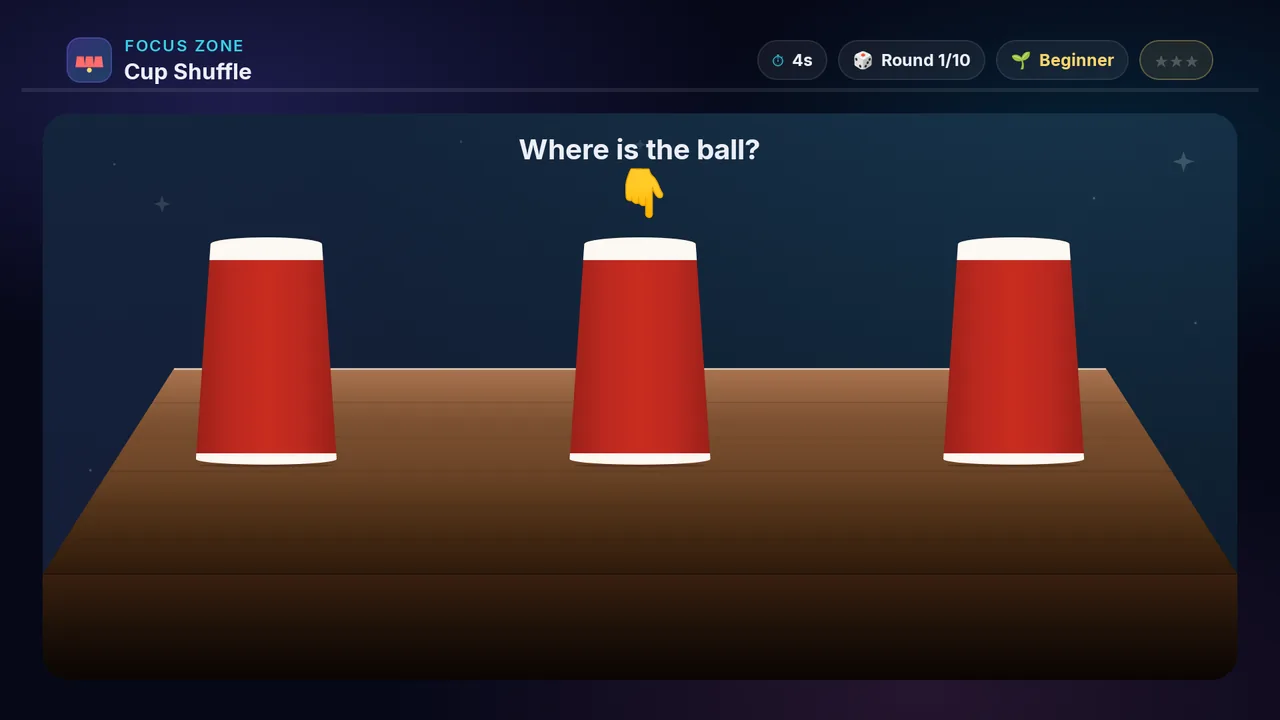
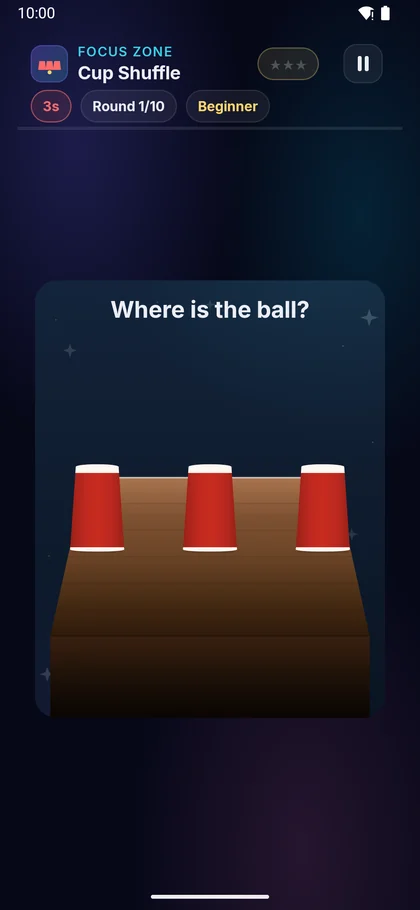
Every screen
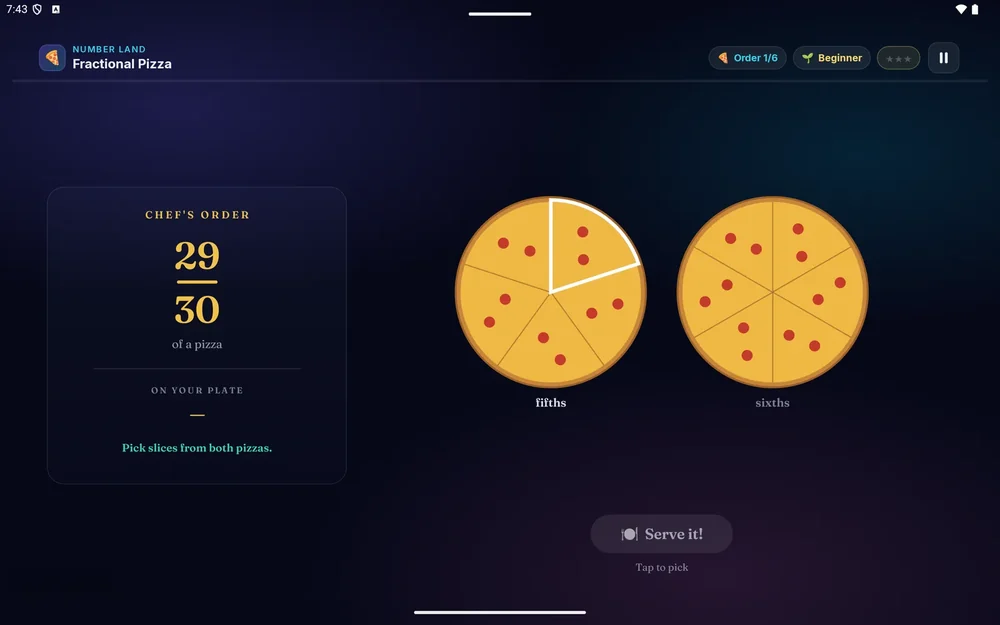
The same 151 games on Android TV, phones, tablets and foldables. Every board lays itself out again for the screen it is on — here is Fractional Pizza, four ways.
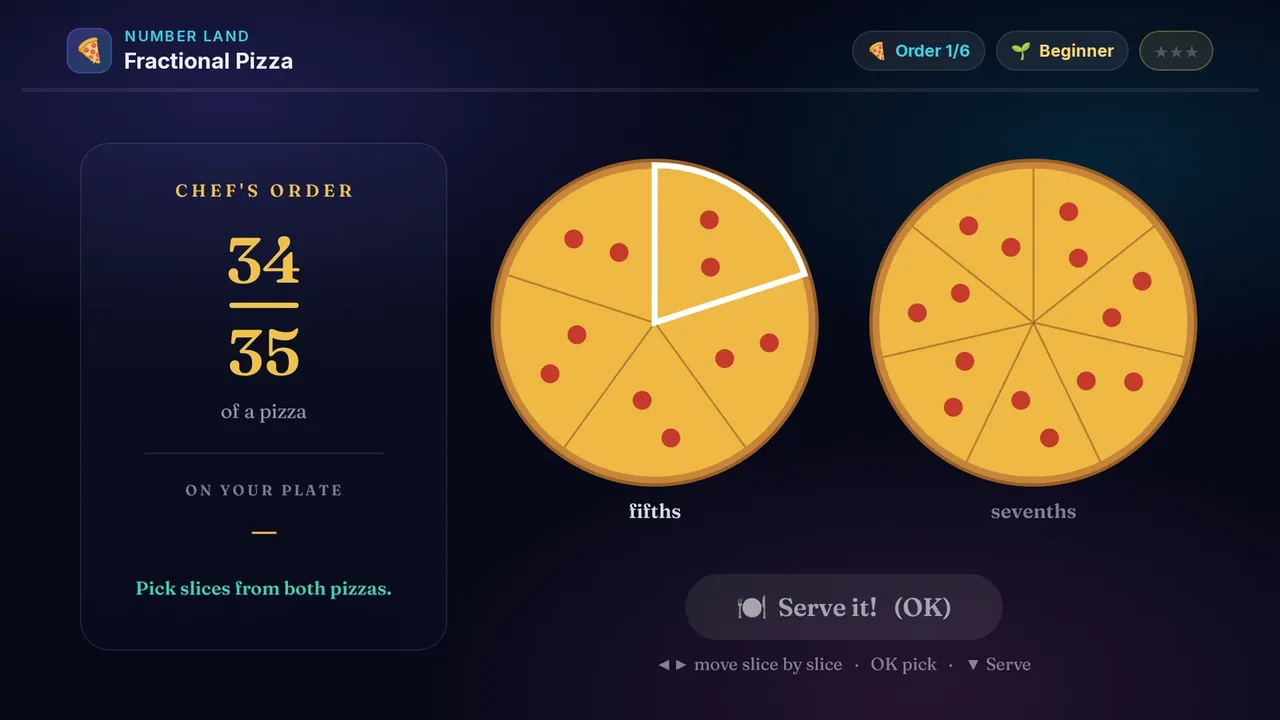
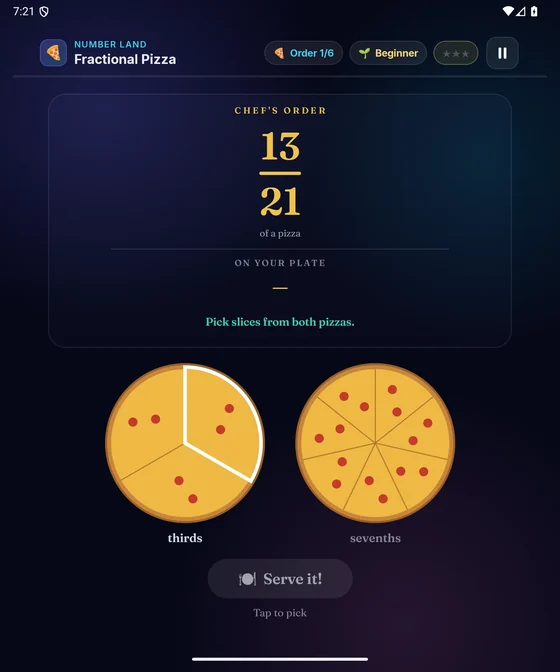
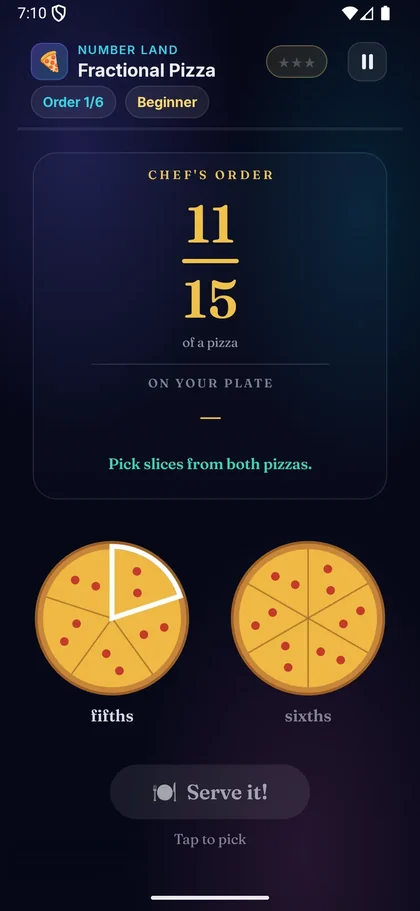
Played with nothing but the remote. Every board is reached with the arrows and OK, with a clear ring round whatever is chosen.
Upright or sideways. Tap what you mean, and in the games that move something — a snake, a paddle, a falling block — steer it with a swipe or a drag.
Folded or open. On the big inner screen the board spreads out to use the extra room; folded, it plays like a phone.
How-to-play is written twice: the television says “press OK”, the phone says “tap”. A child is never told to press a button their screen doesn't have.
How it works
There is no level select and nothing to unlock. BrainPlay watches how a round actually goes and quietly changes what it asks next.
Every game holds five age bands. A rolling average of how the child is doing shifts the band up or down, so the work stays just hard enough — never a wall, never a shrug.
A round ends in one, two or three stars. Children never see a point total, because a number invites comparison and a star invites another go.
A small handful of games chosen for that child each day — a reason to come back that isn't a streak counter or a nag.
Neither is an afterthought: big targets, clear focus, and nothing in play that needs a mouse, a keyboard or a steady finger.
Calm mode softens motion and sound, relaxed pace gives longer to answer, and read-aloud speaks the prompt for children who aren't reading yet.
No advertising, nothing for children to buy, no chat, no social features. Just the games — and an optional tip a grown-up can leave, which unlocks nothing.
The worlds
Each world is a ladder: the first games teach the plainest form of the skill and the later ones ask for the grown-up version of it. Nothing is locked — a child can play anything — but the order is the order we'd teach it in.
For grown-ups
Progress per child, a daily screen-time limit, the gentle-mode switches and profile management all live behind a four-digit PIN, out of the way of the child and out of the way of play.
Each child keeps their own age, stars, badges and difficulty — several children share one television or tablet without sharing a score.
Set how long a day's play lasts. The app counts only time a game was actually on screen.
Mastery per world and per game, so you can tell the difference between "played a lot" and "getting better".
Profiles, stars and progress stay on the device they were earned on. If the device's Android backup is on, they come back when the app is reinstalled. There is no account to make and nothing to sign in to.
 BrainPlay